

7 Powerful Ways Drug Rehab and Community Support Create Lasting Change
If you’re reading this, chances are you or someone close to you is struggling with substance use. The journey toward healing may feel long, but you’re not alone—and that’s the first big truth to hold onto. Whether you’re just starting to explore drug rehab or looking to strengthen your existing support network, understanding how professional treatment and community care work together can make all the difference.
Let’s walk through seven powerful ways these two elements come together to create real, lasting transformation in your life. Recovery is possible, and it begins with connection—both within and beyond yourself.
1. Structured Drug Rehab Builds a Foundation for Recovery
When you’re in the thick of addiction, every day can feel chaotic. Structured drug rehab programs bring back a sense of order. Whether you enter a Partial Hospitalization Program (PHP) or start with medical drug detox, these environments give you the tools, space, and support to safely withdraw and rebuild from the inside out.

A well-rounded drug addiction treatment plan matches you with therapeutic approaches that meet your needs. This could include:
- Individual and group therapy
- Medication-Assisted Treatment (MAT)
- Cognitive Behavioral Therapy (CBT)
- Trauma-informed care
- Dual-diagnosis treatment for co-occurring mental health conditions
You’re not just getting sober—you’re learning a new way to live.
2. Detox Support Sets the Stage for Healing
Detoxification is often the first step in recovery—and usually one of the most difficult. Choosing a professional alcohol detox or drug detox program ensures this critical phase is handled with 24/7 medical care and emotional support. Withdrawal symptoms aren’t only physical—they’re mental and emotional too. Having a trained team beside you can prevent dangerous complications and keep you motivated to push through.
In rehab, every phase has a purpose. Detox gets your body stabilized so you can begin looking inward and doing the deep emotional work that leads to real, lasting transformation.
3. Multiple Levels of Care Meet You Where You Are
Not everyone needs the same intensity of treatment, and your needs may change over time. That’s why great drug rehab programs offer multiple levels of care. This allows you to transition gradually as your recovery develops. Here’s how different levels can support you at each stage:
- Partial Hospitalization Program (PHP) – Daylong treatment with medical oversight and structured programming
- Intensive Outpatient Program (IOP) – Therapy several days per week while living offsite or at home
- Outpatient Treatment – Flexible support including therapy and relapse prevention while reintegrating with daily life
There are even options specifically designed for mental health needs, like our IOP for Mental Health or PHP for Mental Health. No matter where you start, recovery is always a progression, not a one-size-fits-all process.
4. Community Support Reinforces the Healing Process
While drug rehab gives you professional tools and structure, community is what helps you use those tools long after treatment ends. Recovery-centered communities—whether they’re in-person, virtual, or hybrid—give you the chance to connect, reflect, and hold each other up.
You can get started with:
- Alcoholics Anonymous (AA) or Narcotics Anonymous (NA)
- SMART Recovery
- Al-Anon and Nar-Anon for family members
- Celebrate Recovery
When you’re surrounded by people who understand your experience, everything changes. You feel seen, safe, and supported as you build your new way of life. Many of these groups provide accountability partners, step work, and mentorship which are especially helpful after formal rehab ends.
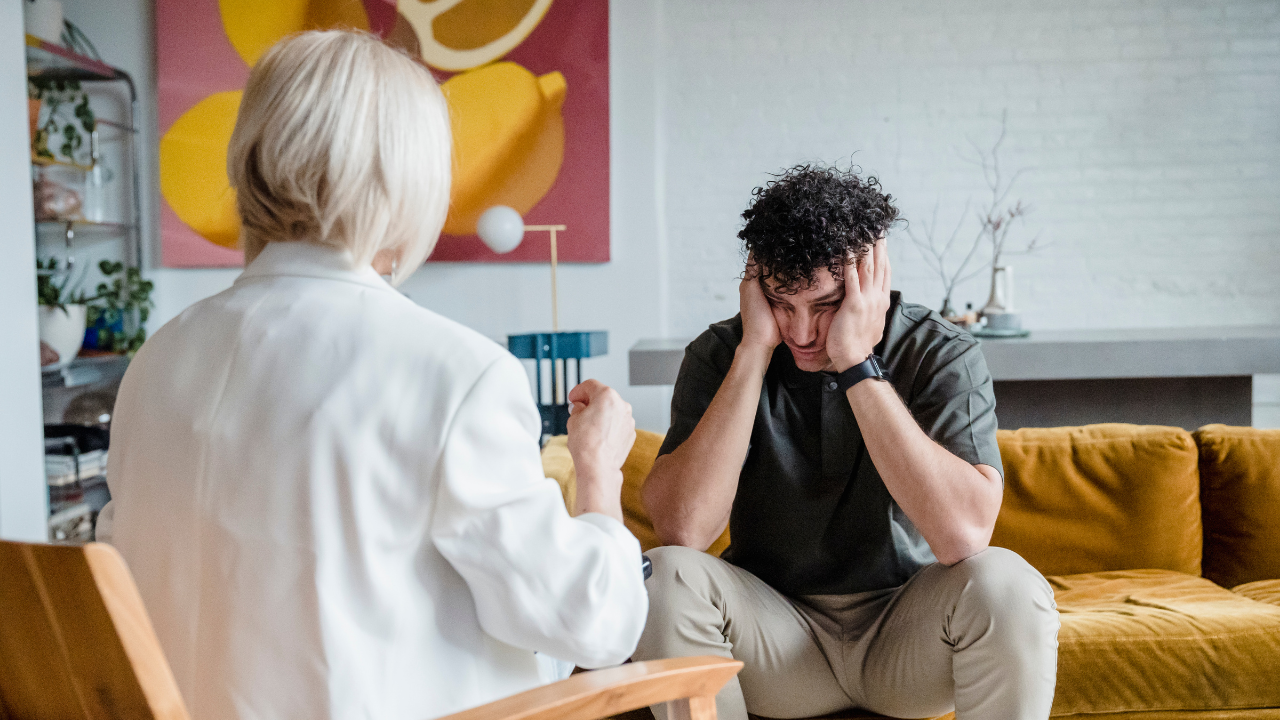
5. Aftercare Helps You Stay Connected and Strong
Healing doesn’t end on your last day in rehab—in fact, that’s when the real work begins. That’s why choosing a program with strong aftercare support matters. These continuing services bridge the gap between treatment and everyday life, helping you integrate sober routines and stay on track.
Aftercare services may include:
- Weekly therapy or group check-ins
- Relapse prevention planning
- Alumni events and volunteer opportunities
- Peer mentorship and coaching
You’ll know you’re never alone in maintaining your recovery. Ongoing connection helps reduce relapse risk, boost emotional wellbeing, and keep your motivation strong—even during tough times.
6. Finding the Right Program for Your Specific Addiction
Every substance comes with its own challenges, and great rehab programs tailor treatment accordingly. Whether you’re struggling with heroin, meth, prescription medications, or opioid use, personalized care improves your chances of long-term recovery.
For example:
- Methadone Treatment can support opiate withdrawal
- Suboxone Treatment helps reduce cravings for opioids safely
- Alcohol Addiction Treatment includes both detox and long-term relapse prevention strategies

No matter what you’re facing, a program that matches your substance use history, physical health, and psychological needs makes recovery not only possible—but sustainable.
7. Family Involvement Creates a Circle of Healing
Addiction doesn’t just affect you. It touches every part of your life—including your family. That’s why many of the most effective drug rehab programs include family therapy, education workshops, and support groups tailored for loved ones.
Families can work through:
- Broken trust or painful memories
- Codependent behavior patterns
- Enabling and boundary-setting
Healing as a family doesn’t just support the person in recovery—it creates a stronger, healthier environment for everyone. Programs like Al-Anon and Celebrate Recovery can also offer family members tools for their own growth and healing.
Key Takeaways
- Professional drug rehab provides structure, medical support, and personalized treatment plans.
- Detox is safest and most effective when medically supervised within a rehab facility.
- Community support networks like NA, SMART Recovery, and alumni groups provide crucial accountability and connection.
- Aftercare services help maintain progress by easing the transition into normal daily life.
- Programs tailored to your specific substance and needs are more effective for long-term success.
- Family involvement in recovery improves healing for everyone affected by addiction.
- Peer support and professional resources together create a powerful framework for personal transformation.
FAQ
How long does drug rehab typically last?
Most programs span anywhere from 30 to 90 days, depending on individual needs. Long-term options may include ongoing outpatient or aftercare for continued support.
Do I have to detox before entering rehab?
Yes, most individuals begin with a detox phase to safely manage withdrawal. This allows you to begin therapy with a clear, stable foundation.
Can I stay home and still attend rehab?
Yes. There are flexible programs like Intensive Outpatient and Outpatient Treatment that let you live at home while attending therapy sessions several times per week.
What happens after I finish inpatient rehab?
After inpatient, you may step down to outpatient care and aftercare support. Alumni programs, community groups, and therapy help you maintain your recovery over the long term.
How do I choose the best rehab program for me?
Look for programs that address your unique substance, co-occurring mental health needs, and lifestyle. At Transformations Care, we tailor every plan to match your personal journey.
For trustworthy addiction resources and emergency help, check out SAMHSA’s National Helpline, the 988 Suicide & Crisis Lifeline, or the Crisis Text Line.
You deserve healing. You deserve peace. With a combination of compassionate drug rehab and a caring community by your side, you can rise stronger than you’ve ever imagined. Let’s take the next step—together.