
5 Smart Ways Drug Addiction Treatment Breaks Social Stigma for Good
If you’ve ever feared being judged for getting help, you’re not alone. Shame, guilt, and the pressure of being misunderstood have kept many people from seeking the help they desperately need. But here’s the truth: recovery isn’t shameful — it’s courageous. Today, drug addiction treatment doesn’t just save lives, it’s actively breaking down the walls of stigma and replacing them with hope, education, and empowerment. Whether you’re struggling yourself or supporting a loved one, understanding how treatment rewrites the narrative could be your first step toward healing and freedom.
1. Education That Rewrites the Narrative
Many people still view addiction as a moral failing rather than a disease. But modern substance abuse treatment programs educate patients, families, and communities on the science behind addiction. With this knowledge, you not only free yourself of internalized shame but also equip yourself to refute ignorant or hurtful comments from others.
At the core of quality drug addiction treatment is a deep understanding of how substances affect the brain. You’ll learn why addiction isn’t about weakness — it’s about chemical dependency, genetics, trauma, and mental health. When you grasp that, it starts to shift how you see yourself — and how others see you too.
Transformations Care, for example, incorporates education into every level of our care — from medical detox to the intensive outpatient program. You and your loved ones don’t just go through a program — you come out informed and empowered.

Real Understanding Ends Judgement
Stigma can’t survive education. That’s why Transformations Care works with family members through aftercare planning and support. These programs help others understand what you’re going through — and how they can walk beside you without judgment.
Educational resources also extend to the public through initiatives by organizations like National Institute on Drug Abuse (NIDA) and SAMHSA. These programs aim to shift public perspectives — and they work hand-in-hand with treatment programs like ours.
2. Shared Experiences in Peer Support
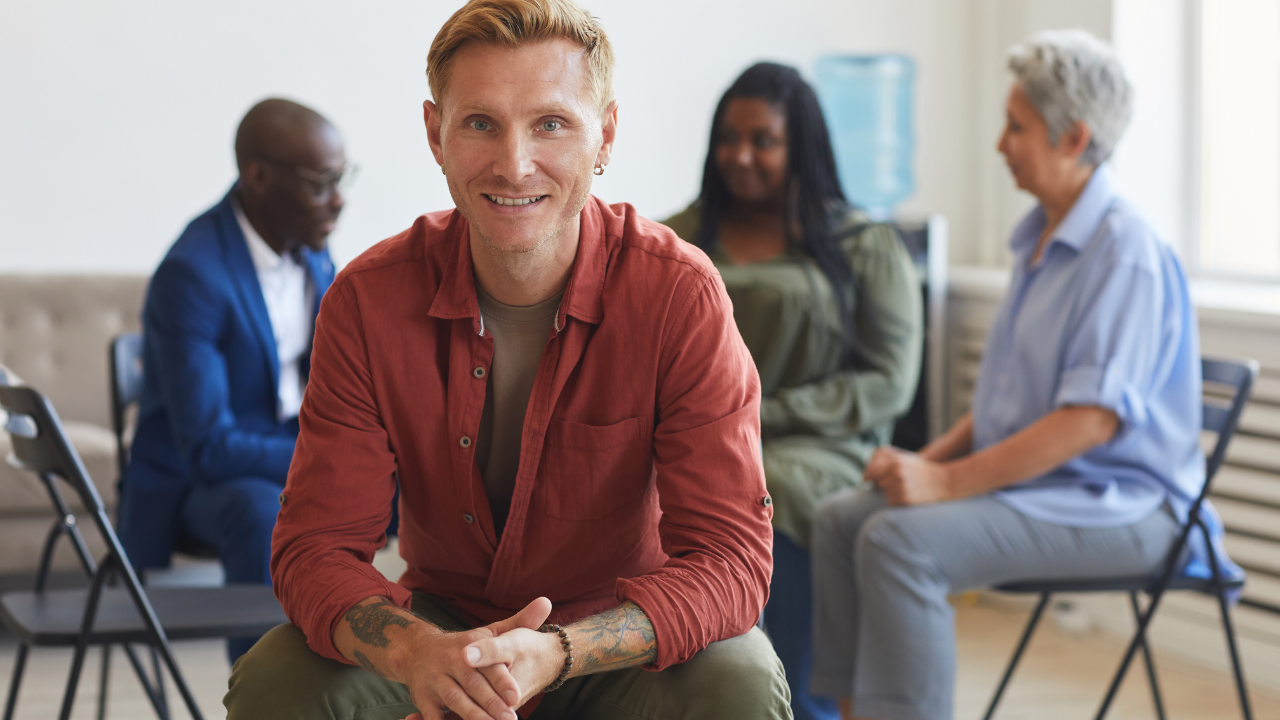
One of the most healing aspects of drug addiction treatment is being surrounded by others who understand exactly what you’re going through. When you walk into group therapy or a 12-Step meeting and hear someone share your story out loud — often for the first time — shame loses power.
You’ll connect with people in outpatient treatment or partial hospitalization programs who’ve walked similar paths. And when you support each other’s journey, it feels less like a diagnosis and more like camaraderie. You become each other’s evidence that change is possible.
Peer circles also build bridges beyond treatment. Groups like Narcotics Anonymous (NA), SMART Recovery, and Celebrate Recovery offer long-term spaces free of stigma, where your identity isn’t defined by your past but by your growth.
Courage Becomes Contagious
When someone in your group owns their story, it gives everyone else permission to do the same. Whether you’re in treatment for heroin, opioids, or methamphetamine, you’ll see people rewriting their stories — and it makes it easier for you to believe you can too.

3. Tailored Treatment Validates Your Story
Not everyone comes to recovery with the same background — and quality drug addiction treatment respects that. At Transformations Care, our personalized programs look at your full life picture: family history, trauma, co-occurring disorders, and economic or cultural dynamics. You’re not just a number or a “case” — you’re a person with a unique story, and we honor that.
We offer mental health-specific care with our intensive outpatient program for mental health and partial hospitalization program for mental health. We know untreated trauma often hides underneath substance abuse. Treating both at once allows real healing to take place — and that’s how stigma crumbles: by embracing the whole truth.
The Power of Being Seen
When your pain is seen and your story is heard, shame loses power. Personalized care communicates: “You matter, and what you’ve been through is real.” And that’s when transformation really begins. Our drug and alcohol treatment programs are built on this foundation — because healing starts with validation.
4. Public Advocacy from Recovered Individuals
One of the most powerful ways stigma dissolves is when people share their recovery journeys publicly. If you choose, your story can become a torch that lights someone else’s path. As more individuals find healing — through programs like painkiller rehab or Suboxone treatment — they become voices for truth, empathy, and change.
Today, formerly addicted individuals are authors, podcasters, mental health professionals, and advocates. Their courage reminds society: addiction can affect anyone — and so can recovery. If you’re considering drug addiction treatment, remember this: your story could inspire someone still feeling alone.
Transformations That Echo Beyond Themselves
Through the support of treatment, people change the narrative for their families, faith communities, and workplaces. They become walking, living proof that addiction is not the end — it’s the start of something new. Consider following recovery advocates, or get involved in programs from organizations like CDC Overdose Prevention or Al-Anon.
5. Breaking the Cycle with Long-Term Support
Another common source of shame is relapse. But modern programs are designed to anticipate it and respond with support instead of judgment. Long-term recovery takes time — and comprehensive aftercare planning is key to continued growth and confidence, not condemnation.
Treatment now includes step-down programs like outpatient services, relapse prevention, sober housing, career coaching, and alumni support. These resources set you up for a life worth living — not just a life without drugs.

Recovery is a Lifestyle — Not a Secret
Support continues long after detox or initial therapy. After graduating from our alcohol detox or prescription drug treatment, we help you transition back into life with structured help and peer accountability. That kind of visible, sustained recovery begins to normalize treatment in the eyes of families, employers, and communities — and that’s how stigma dies for good.
Key Takeaways
- Education in drug addiction treatment empowers you and those around you to reframe addiction as a disease.
- Peer support creates shame-free zones where vulnerability becomes strength.
- Personalized care affirms your unique life story and creates space for healing.
- Public recovery stories challenge outdated stereotypes and inspire hope.
- Long-term support breaks the cycle of relapse and builds lasting confidence.
- Group programs provide healing through shared experiences and mutual accountability.
- Stigma weakens when compassion, not shame, leads the recovery conversation.
FAQ
What causes the stigma around drug addiction?
Stigma often comes from misunderstanding or misinformation about addiction. Many people still view it as a moral failing rather than a medical condition, which can lead to shame and discrimination.
How does drug addiction treatment reduce stigma?
Treatment educates individuals and loved ones, promotes public awareness, validates personal experiences, and encourages community support. These factors work together to destroy shame and replace it with compassion.
Can sharing your story help fight stigma?
Absolutely. When people talk openly about recovery, it normalizes seeking help and challenges harmful stereotypes. Your story could be the encouragement someone else needs to start their healing journey.
What is involved in a comprehensive drug addiction treatment program?
A good program includes medical detox, therapy, mental health support, relapse prevention, and aftercare. At Transformations Care, programs are personalized to meet you where you are and walk with you every step of the way.
Does stigma affect access to treatment?
Yes. Shame and fear of judgment often delay or prevent people from getting help. Breaking stigma increases treatment engagement and leads to better recovery outcomes.
Where can I find help if I or a loved one is struggling?
You can contact Transformations Care for personalized treatment options, or reach out to national resources like the SAMHSA National Helpline or the 988 Suicide & Crisis Lifeline.
Remember, choosing drug addiction treatment isn’t something to hide — it’s something to be proud of. You’re not just recovering; you’re helping the world reimagine what addiction and healing look like. And that’s something worth celebrating.