
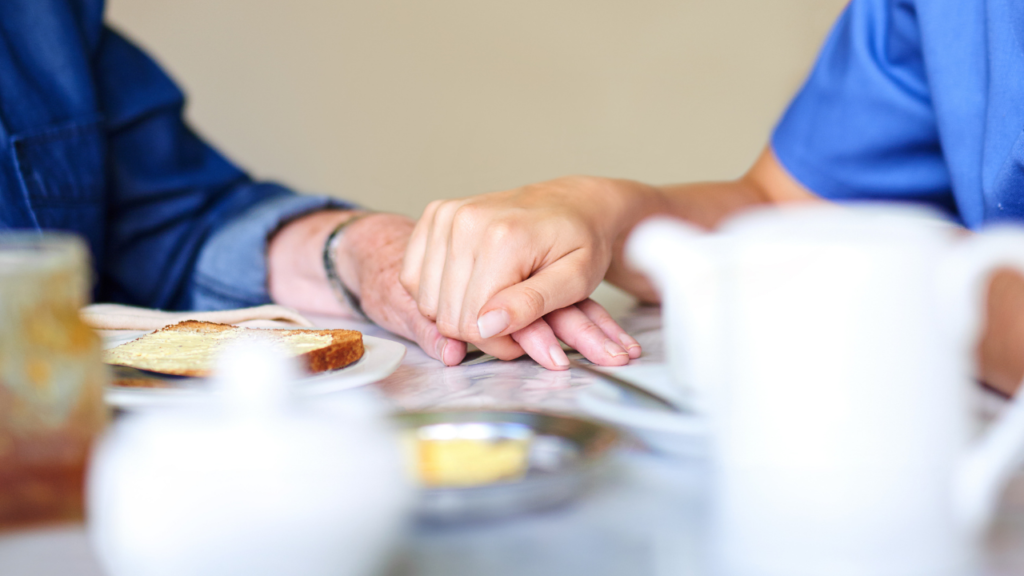

Embarking on the path to recovery can be daunting, yet it also offers a unique opportunity for personal growth and joy. During drug rehab, embracing hobbies not only fosters healing but also transforms the recovery process into a more enriching experience. Here, we’ll explore seven powerful hobbies that can help you on your journey, enhancing your experience and supporting sustained sobriety.
The Benefits of Embracing Hobbies During Drug Rehab
Incorporating hobbies into your daily routine while attending drug rehab can provide numerous advantages. They help you rediscover who you are beyond addiction and offer productive ways to manage stress, anxiety, and cravings. By building new skills and engaging in fulfilling activities, you can reshape your life in ways that support long-term recovery.
1. Connect with Nature through Gardening
Spending time in nature has proven therapeutic benefits, and gardening is a wonderful hobby to consider during drug rehab. It encourages mindfulness, provides a sense of accomplishment, and allows you to nurture life while being nurtured by it. Gardens can be healing spaces for contemplation, offering you a peaceful environment to reflect and grow alongside your plants.
2. Creative Expression with Art and Craft
Art can be an incredibly expressive outlet, enabling you to convey emotions that may be difficult to articulate with words. Whether it’s painting, drawing, or crafting, engaging in artistic pursuits allows for personal reflection and stress relief. Not only does this hobby help improve mental health, but it also increases self-esteem as you realize your creative potential.

3. The Joy of Music
Music is a universal language that can evoke profound emotional responses. Playing an instrument or singing can be incredibly therapeutic, offering a healthy way to process emotions and connect with others. Engaging in musical activities during your drug rehab program can support cognitive function and emotional well-being.
4. Physical Activities to Boost Your Mood
Physical activity is a cornerstone of holistic recovery. Its benefits, ranging from improved physical health to mental clarity and reduced stress, make it an essential part of a drug rehab regimen. Whether it’s yoga, hiking, or joining a sports team, finding a physical activity you enjoy can significantly enhance your mood and energy levels.
5. Culinary Adventures: Cooking and Baking
Cooking and baking can be powerful tools in the recovery process, not just for nourishment, but for joy and creativity. Exploring new recipes and techniques can be a sensory adventure that boosts your self-esteem and provides a tangible sense of accomplishment. Sharing your culinary creations fosters connection and community, pivotal in recovery.
6. Volunteering as a Way to Give Back
Volunteering offers a profound sense of purpose and fulfillment. Giving back to the community during or after your time in intensive outpatient programs helps build new relationships and reinforces values of empathy and gratitude, which are essential components of sustained recovery.
7. The Power of Writing and Journaling
Writing is an intimate way to explore your thoughts and feelings. Journaling during drug rehab can provide clarity and insight into your journey, track your progress, and help you set and achieve goals. It is a private space for you to reflect on challenges and celebrate milestones.
Integrating Hobbies into Your Recovery Plan
Incorporating these hobbies into your recovery can significantly enhance your experience and outcomes. They aren’t just pastimes but are essential tools that facilitate personal growth and resilience. After rehab, maintain these hobbies as part of your aftercare plan to support ongoing sobriety.

Support Systems: Therapies and Programs
In addition to hobbies, support from structured programs is vital. Consider integrating outpatient treatment programs, partial hospitalization programs, or methadone treatments that complement and maintain the benefits gained from these hobbies. You can also connect with support groups and communities such as Alcoholics Anonymous or Narcotics Anonymous to bolster your recovery network.
Key Takeaways
- Hobbies can foster mindfulness and provide a sense of accomplishment during drug rehab.
- Creative activities such as art, music, and writing can improve mental health.
- Physical activities boost mood and increase physical well-being.
- Cooking and gardening offer unique opportunities for growth and creativity.
- Volunteering cultivates a sense of purpose and reinforces community connection.
- Support systems and structured programs enhance recovery outcomes.
- Continuing these hobbies post-rehab contributes to sustainable recovery.
FAQ
Q1: How do hobbies help in recovery?
Hobbies help by offering constructive ways to manage stress, fostering personal growth, and providing joy and purpose, which are crucial for recovery.
Q2: Can I start a new hobby while undergoing treatment?
Yes, beginning new hobbies during treatment is encouraged as it can help redirect focus from cravings to productive, life-affirming activities.
Q3: Which hobbies are most beneficial during drug rehab?
Beneficial hobbies include physical activities, creative arts, gardening, cooking, music, writing, and volunteering. They each offer unique benefits that support recovery.
Q4: Can hobbies replace traditional therapy in drug rehab?
While they enhance the recovery experience, hobbies should complement, not replace, traditional therapies and structured treatments provided in drug rehab.
As you continue your journey, remember that incorporating these hobbies is not just about filling time during drug rehab, but about reshaping your life in meaningful ways, ensuring lasting joy and growth in recovery.